

Chardonnay
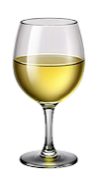
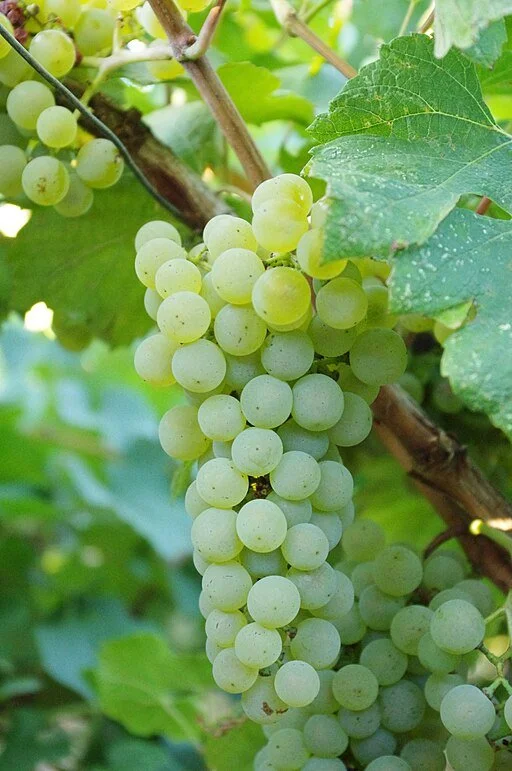

Chardonnay is one of the most widely planted varieties. Although it is probably best known as the white grape of Burgundy it’s also a major grape in the production of Champagne.
Chardonnay is a versatile grape, and its style can vary widely depending on where it’s grown and how it’s made.
Basically, Chardonnay grapes produce wines of a light golden hue, with notes of citrus, green apple, with floral aromas. On the palate, Chardonnay has moderate acidity and moderate alcohol with a medium body.
But it’s said that Chardonnay is a bit of a chameleon — it reflects its winemaking process more than almost any other grape.
Crisp and Bright - This style is based on Chardonnay’s natural high acidity with flavors of green apple, lemon, lime and pineapple. It is fermented and aged in stainless steel tanks so as to leave these flavors unaltered. They are minimally aged and consumed young so as to feature the bright acidity, crisp citrus and tropical fruit flavors as well as its minerality.
Soft and Buttery - These wines are the result of specific winemaking techniques that give the wine a rich, smooth texture and a creamier mouthfeel. One of the key factors that contribute to this style of Chardonnay is Malolactic Conversion where the harsh malic acid (the tart, green apple-like acid) is converted into softer lactic acid (found in milk and dairy products), which creates a smoother, creamier texture. Another key factor is oak aging which imparts flavors like vanilla, toast, and butter. Oak aging also helps soften the wine’s structure, adding complexity and a smooth, creamy mouthfeel. Another wine-making factor is aging Chardonnay on-lees (the dead yeast cells left over after fermentation). Aging on the lees (sur lie), can contribute to a fuller, creamier texture and develop subtle nutty or bread-like flavors. This can also increase the perception of softness in the wine.
Chardonnay can easily age 5-10 years under proper storage conditions.
Serve un-oaked Chardonnay in a U-shaped white wine glass with a smaller bowl. Oaked Chardonnay benefits from being served in a larger bowl wine glass to capture the aromas.
Both types of Chardonnay can be served at 45 -55 °F. Generally an un-oaked Chardonnay is served colder than an oak Chardonnay.
Chardonnay does not require decanting.