
Albariño

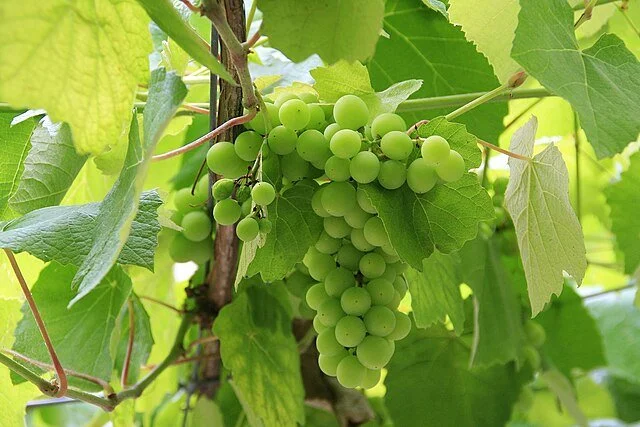
Albariño grapes are mostly found in the northwest of Spain and Portugal but but they owe their growing popularity to the success of wines coming from the Rias Baixas appellation in Spain.
Albariño thrives in cool, maritime climates that preserve its acidity and enhances its aromatic intensity.
In Galicia, Albariño vines are traditionally trained on high pergolas so air can circulate under the vines. This helps prevent rot in the region’s damp, rainy climate—and creates beautiful vineyards you can walk beneath.
Albariño is also grown in the Vinoh Verde region of Portugal (where the grape is known as Alvarinho), the USA (California, Oregon, Washington), Argentina, Australia, New Zealand, Chile, Uruguay, France and Brazil.
Albariño was one of the first Spanish white grape varieties produced as a varietal.
Wines produced from the Albariño grape are considered to be refreshing, light bodied, with high acidity and low sweetness. They are almost always fermented and aged in stainless steel tanks to preserve the bright flavors.
Albariño wines can age better than most light-skinned grapes (5 to 10 yrs) but are generally meant to be consumed young.
Albariño wines have floral notes of orange blossom and honeysuckle. Flavors include Citrus (Lemon zest, lime, grapefruit, nectarine), Stone Fruits such as peach and apricot, Orchard Fruits like green apple and pear. They can also have hints of salinity from the coastal influence.
Albariño is usually an excellent value with bottles selling in the $10 to $20 range.
Albariño should be served well chilled (~40 deg F) in a white wine glass and needs no decanting.